Order at the counter, not the table: a bica is a short, strong coffee, and a galão comes in a glass with plenty of milk.
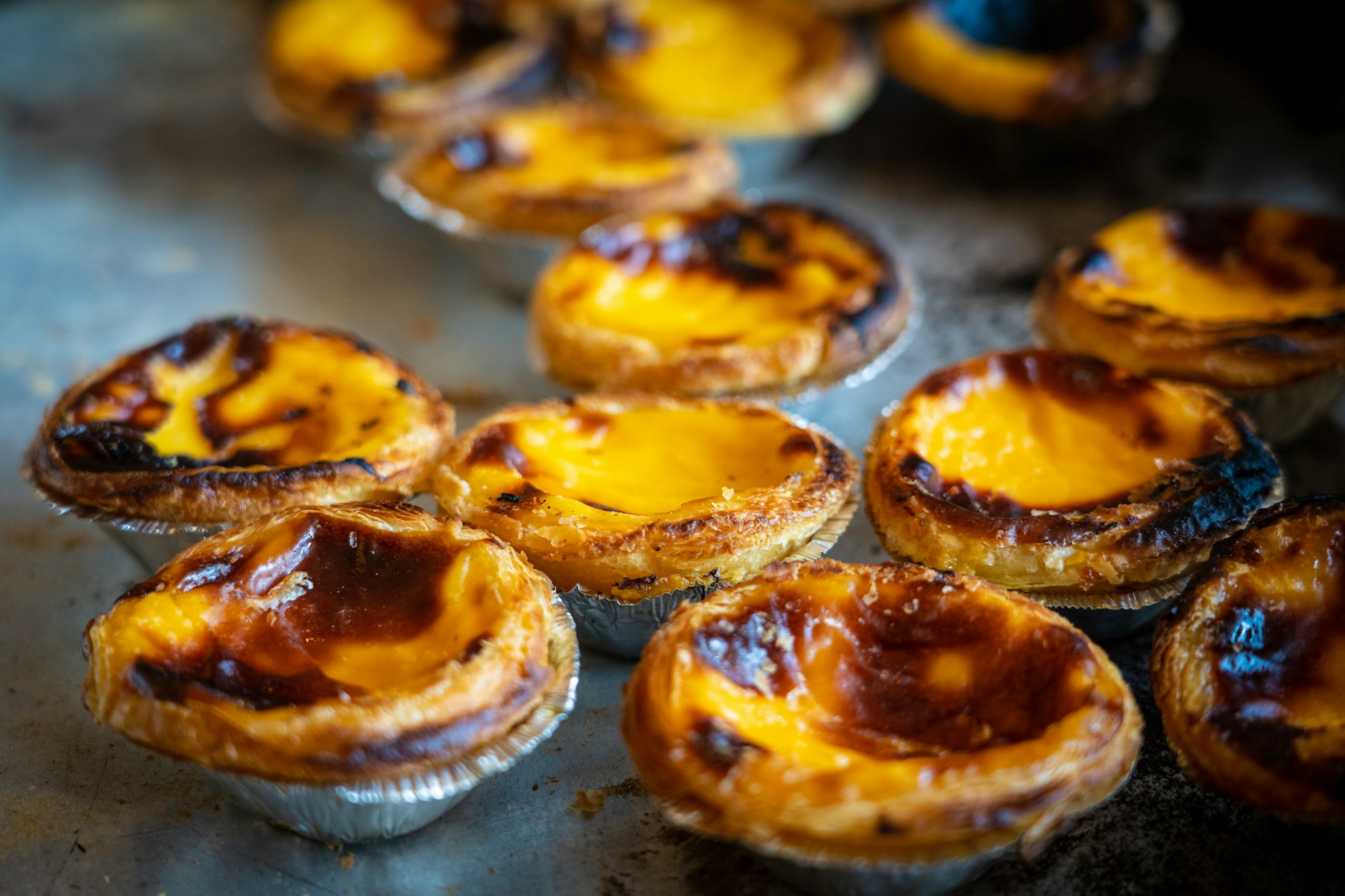
Pastéis de nata are best warm, with cinnamon and a little sugar. Every neighbourhood has a bakery that claims the best ones.
Order at the counter, not the table: a bica is a short, strong coffee, and a galão comes in a glass with plenty of milk.
Pastéis de nata are best warm, with cinnamon and a little sugar. Every neighbourhood has a bakery that claims the best ones.
The francesinha is bread, meats and cheese under a spiced tomato and beer sauce. Share one the first time.
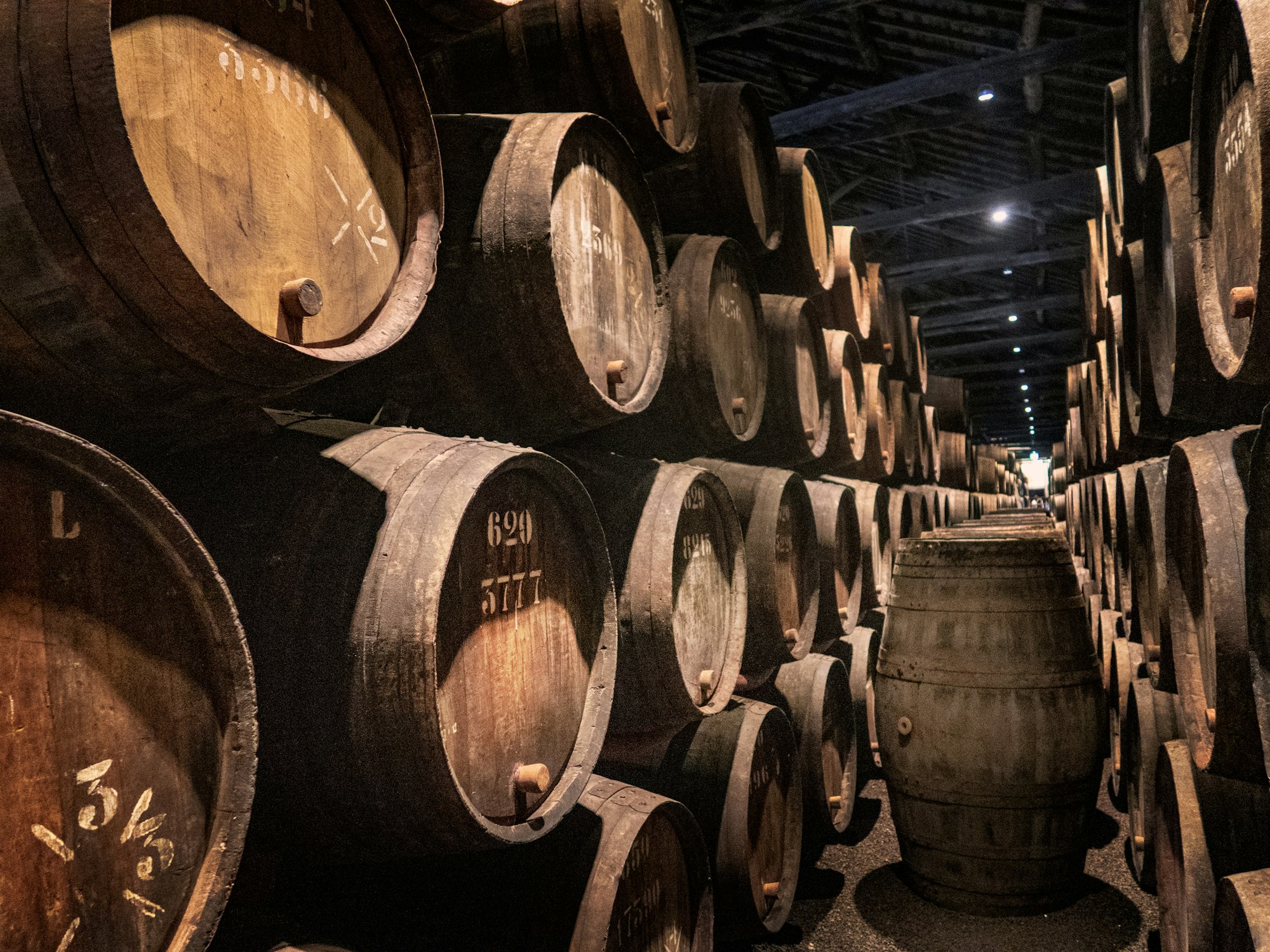
Afterwards cross to Gaia for a tasting: a white port with tonic in summer, a tawny after dinner.
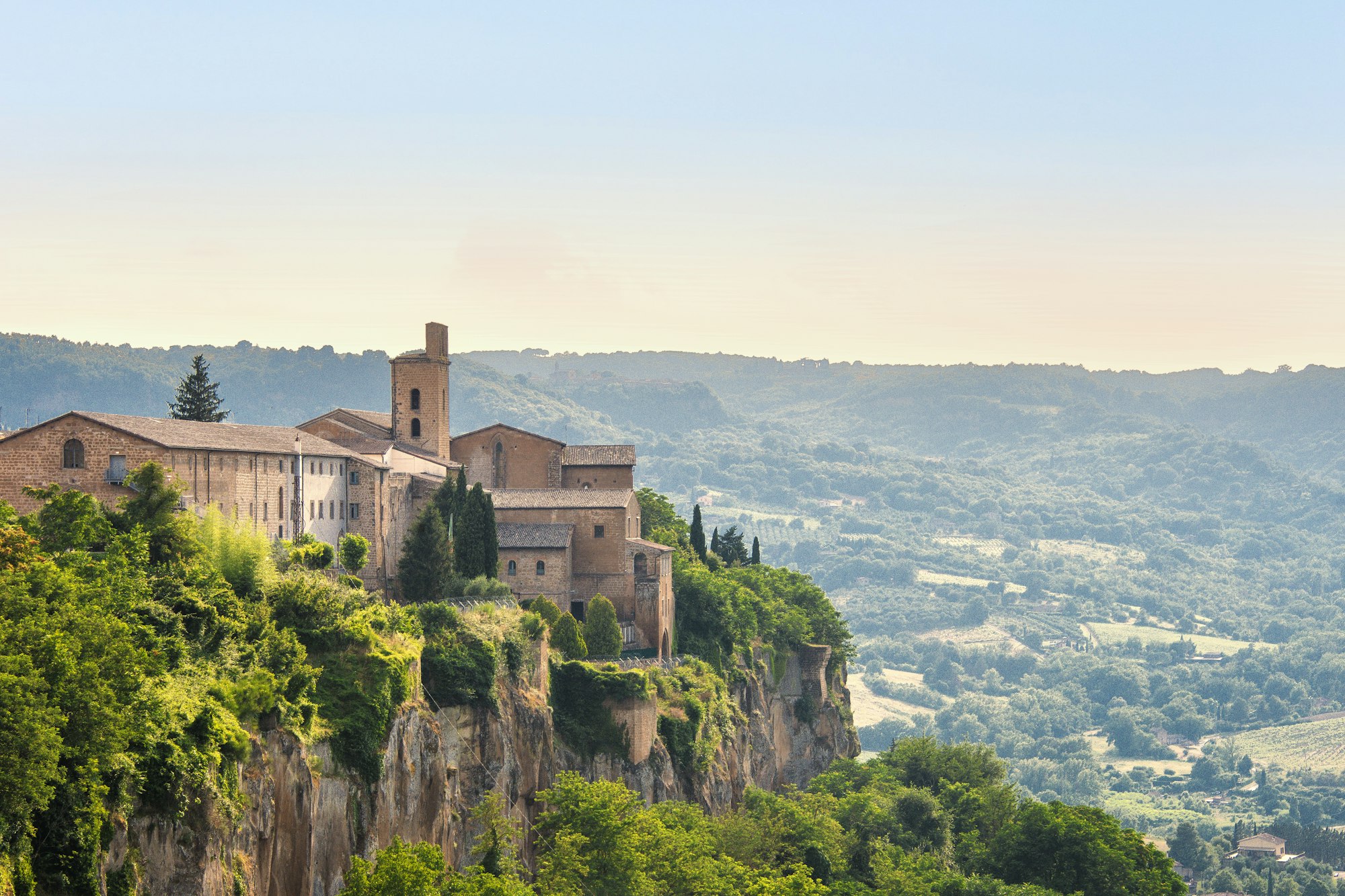
The fast train takes an hour and a half. The regional trains take most of a day and stop in Orvieto and in the valley below Cortona.
Leave your bag at the station and climb into the town for lunch.
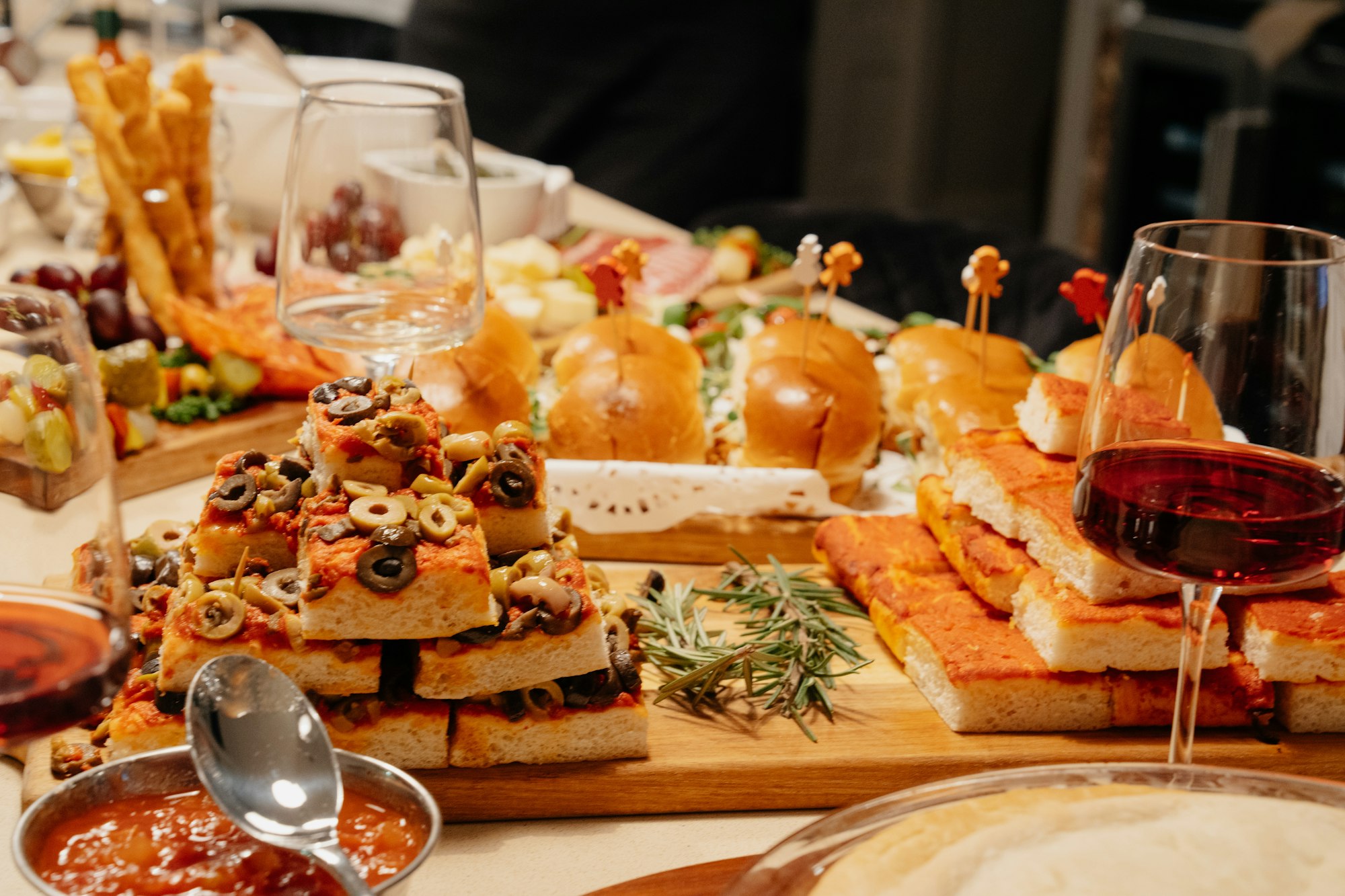
Triana’s market under the castle ruins opens early. Buy olives and cheese, then come back at noon when the stalls serve fried fish.
In the evening move between bars and order one tapa at each: spinach with chickpeas, salmorejo, and whatever the board says is fresh.
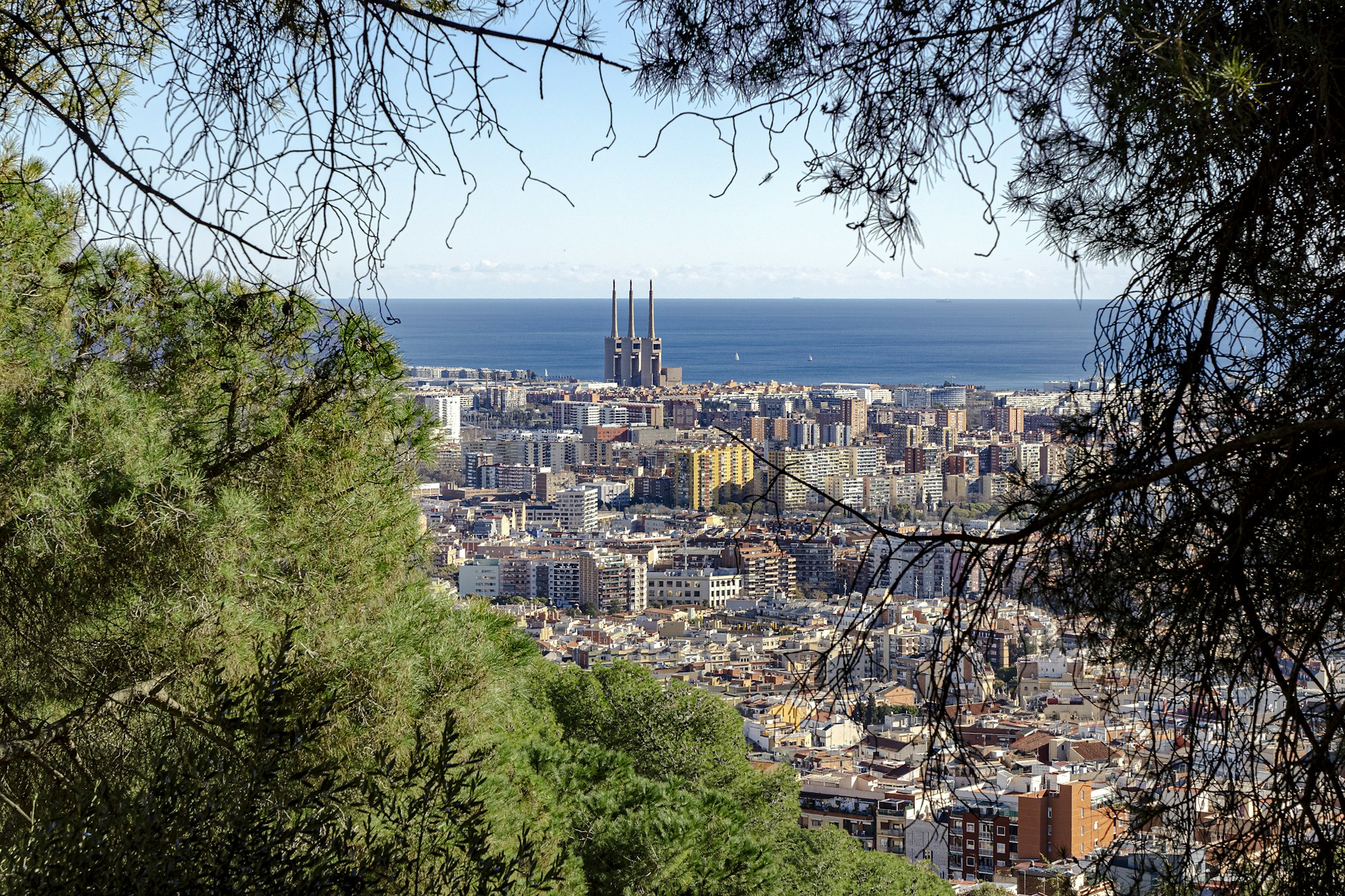
Leave the old town to the crowds and spend a day in Gràcia, a former village of small squares where the bars put their tables out under the trees.
Climb to the bunkers of the Turó de la Rovira for the widest view of the city, and end the day at Sant Antoni market.
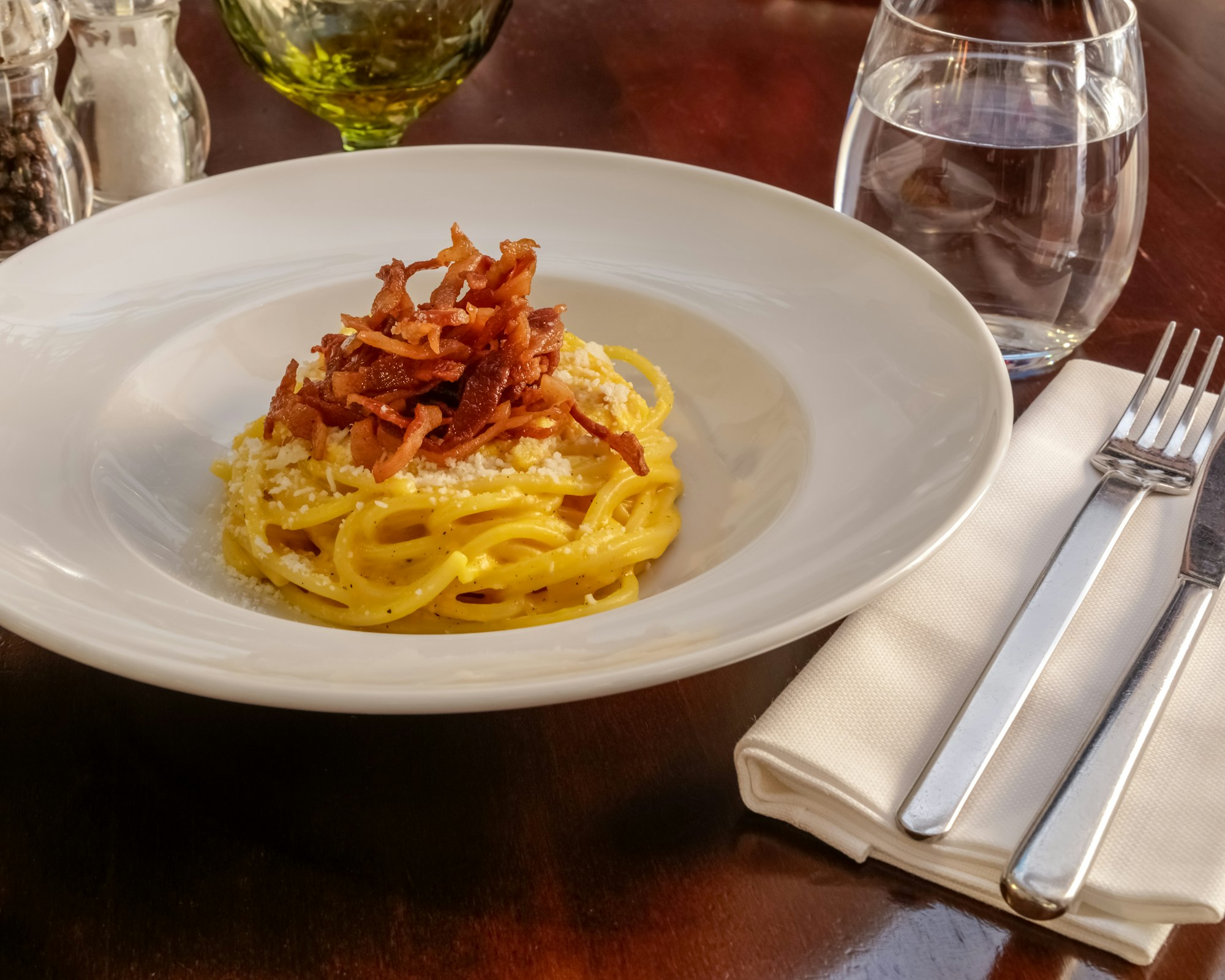
A Roman carbonara has four ingredients and a lot of opinions. The trattorias of Testaccio, near the old slaughterhouse, are a good place to start.
Order cacio e pepe and amatriciana on the next visits; together they make the city’s pasta trilogy.
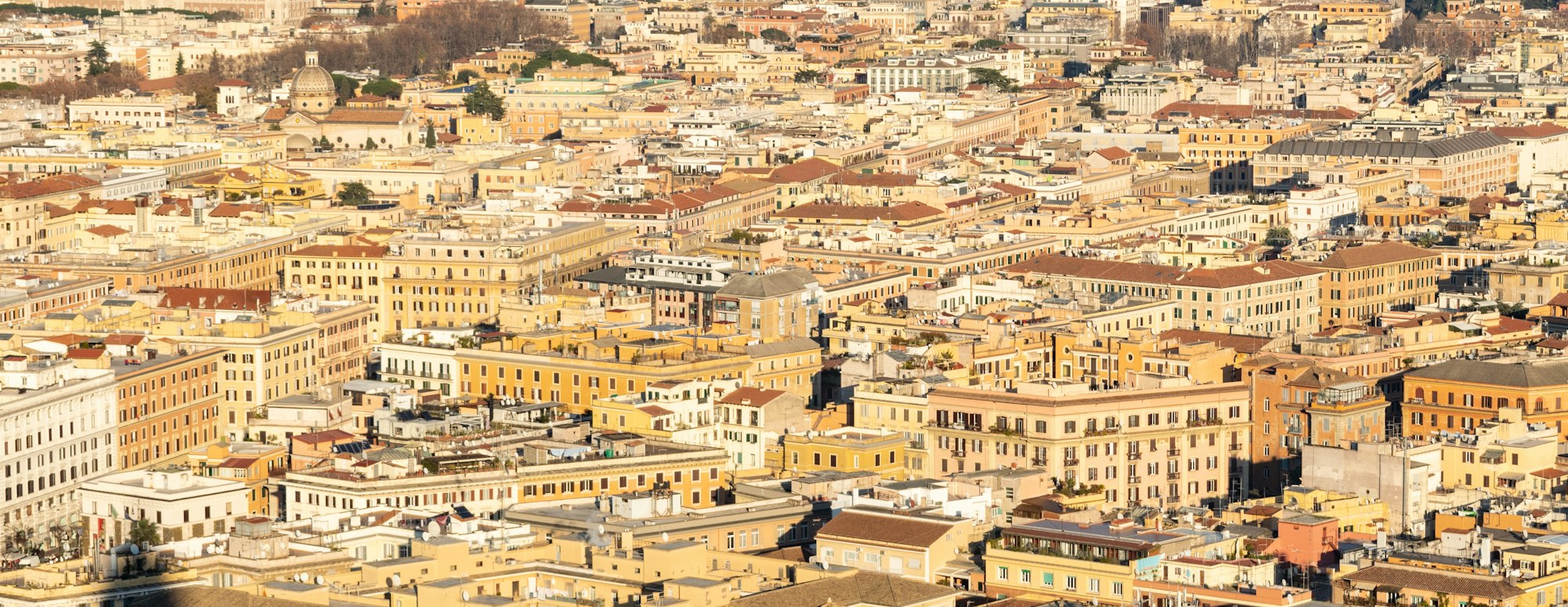
Monti, behind the Forum, is a neighbourhood of small streets with ivy on the walls and wine bars on the corners.
Its small hotels and apartments are a walk from the Colosseum yet quiet at night.
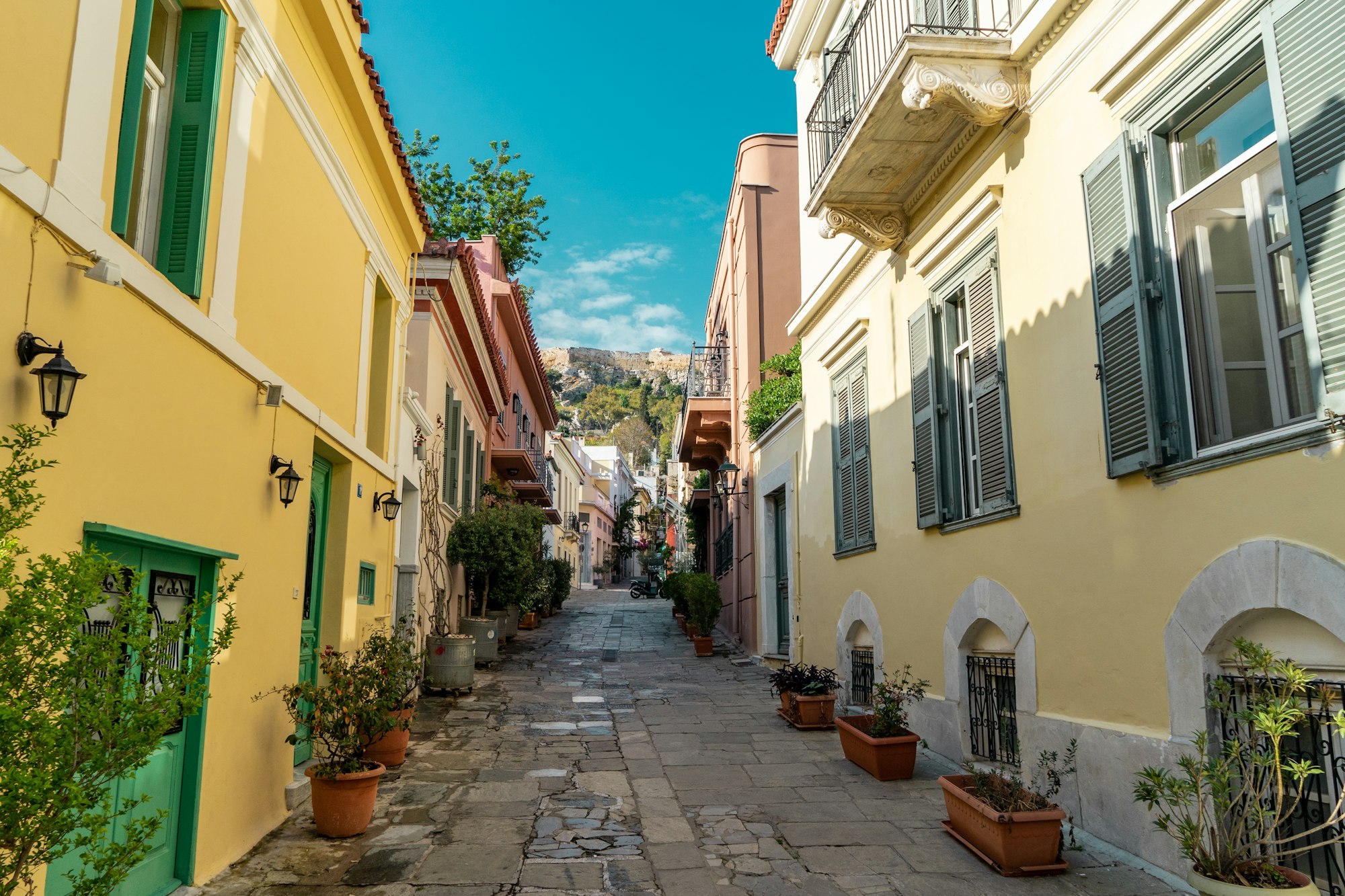
Athens is a city of neighbourhoods, each with its own square and its own kafeneio. See the Acropolis early, then walk down into Plaka and Anafiotika.
Koukaki, below the Acropolis Museum, is good for lunch; in the evening Exarchia’s streets fill with students and music.
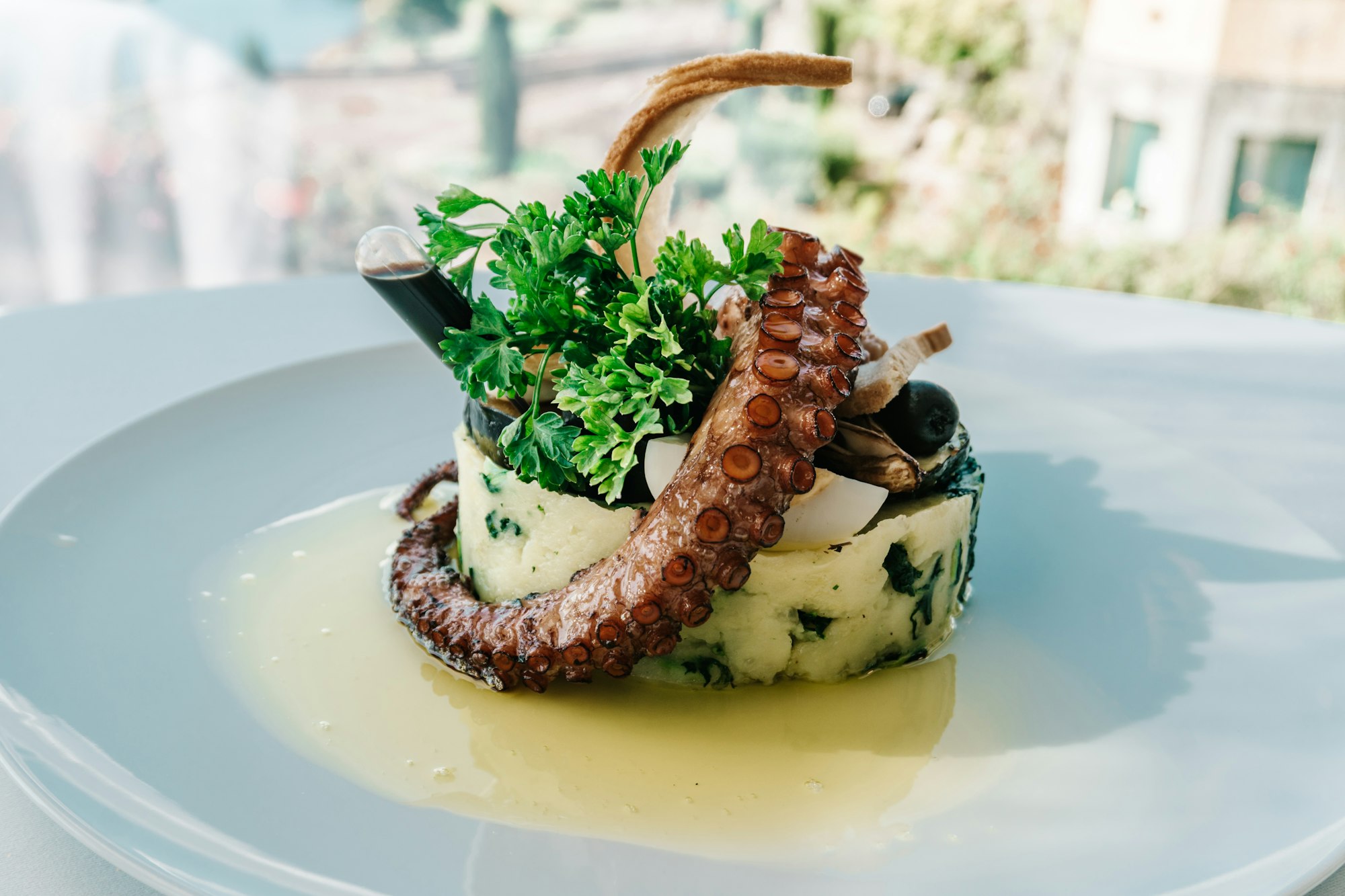
Peka is a Dalmatian way of cooking: meat or octopus with potatoes, under a domed lid covered in embers for hours.
Most konobas around Split need a day’s notice, so ask when you book your table.
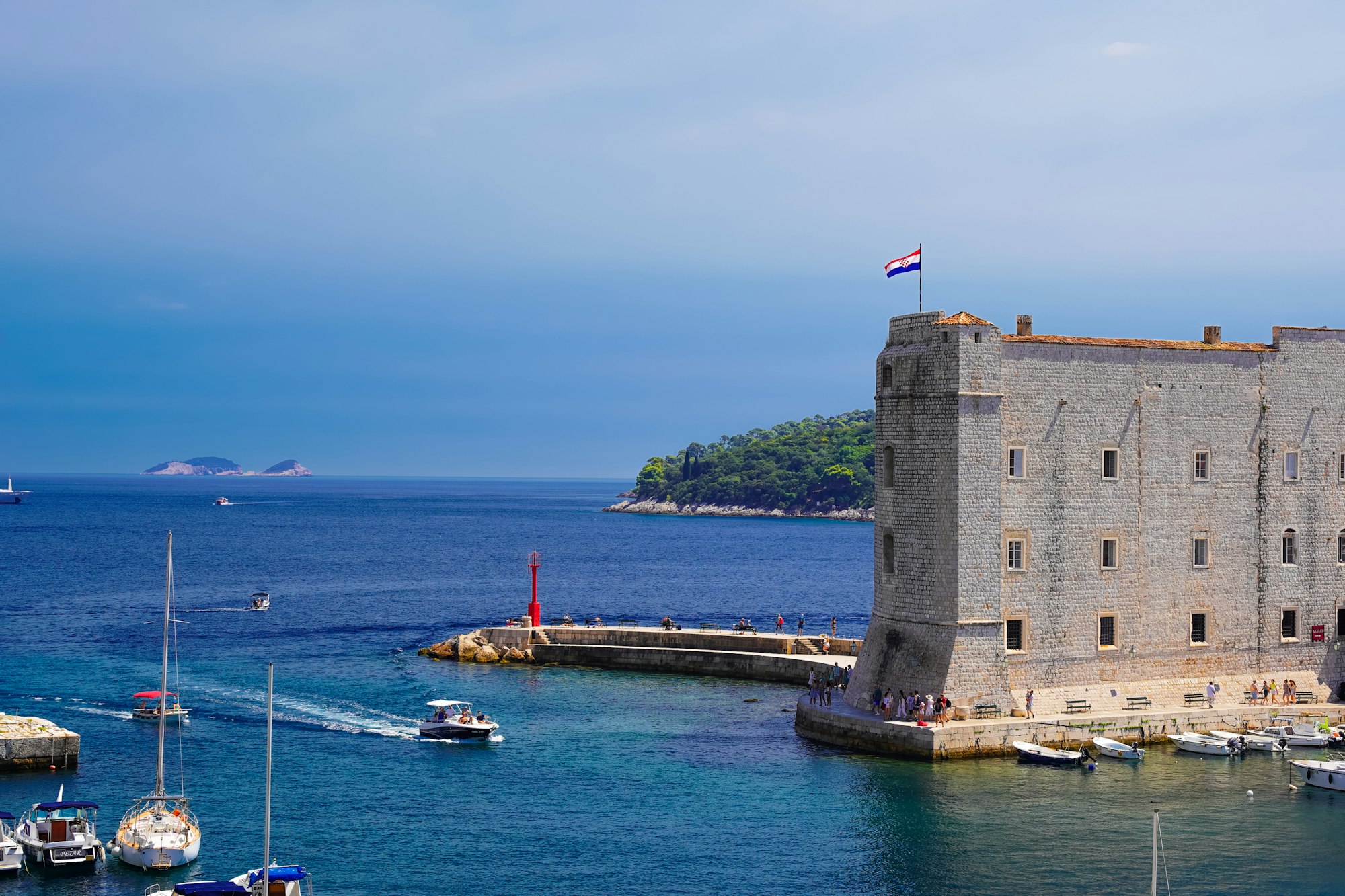
Rooms inside the walls are few and costly. Gruž, by the ferry harbour, has guesthouses with views and a morning market.
The bus takes ten minutes to the Pile gate, and the ferries to the islands leave from your door.