Staying in Alfama means stairs and narrow lanes, and in return the city’s oldest quarter is outside your door.
Look for a small guesthouse with a roof terrace; breakfast there, over the river, is worth the climb.
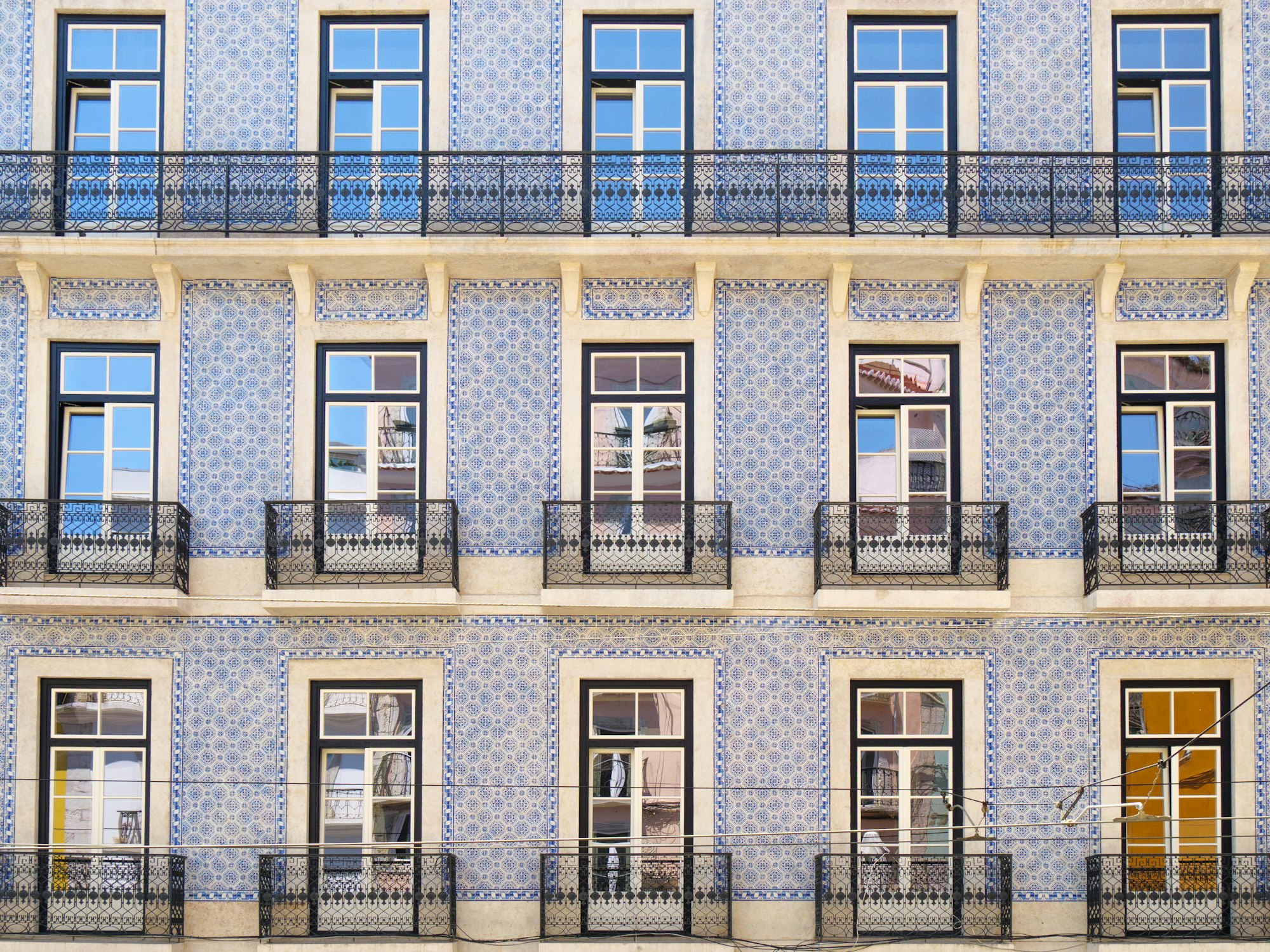
Staying in Alfama means stairs and narrow lanes, and in return the city’s oldest quarter is outside your door.
Look for a small guesthouse with a roof terrace; breakfast there, over the river, is worth the climb.
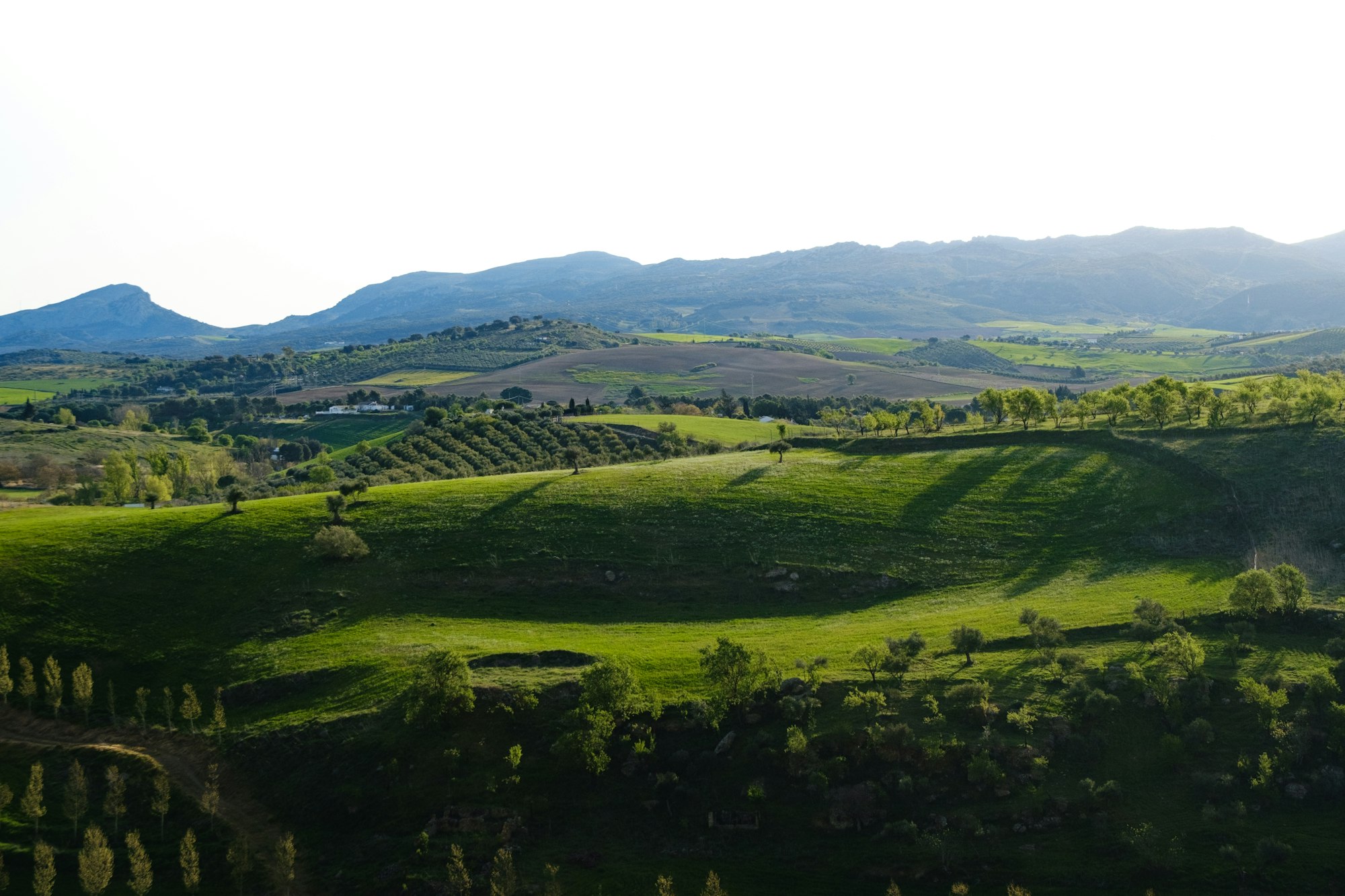
There are direct trains from Barcelona to Seville, but changing in Madrid gives you a lunch stop near Atocha.
Book ahead: the fast trains are cheapest a few weeks before.
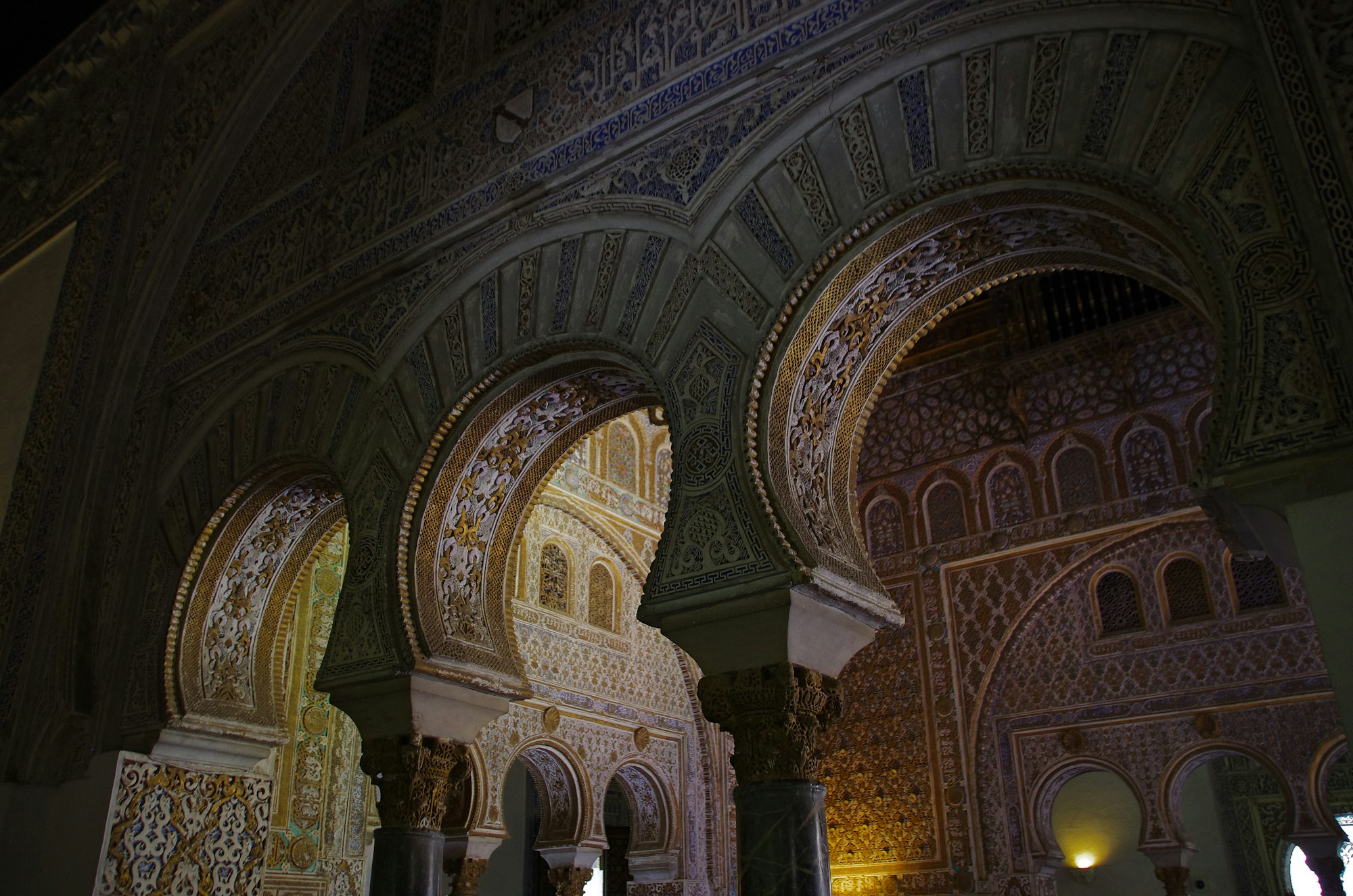
Seville keeps its own hours. See the Alcázar’s gardens as soon as they open, rest through the afternoon and go out again when the air cools.
Santa Cruz is a maze worth getting lost in; Triana, across the river, is where the ceramics workshops and the evening bars are.
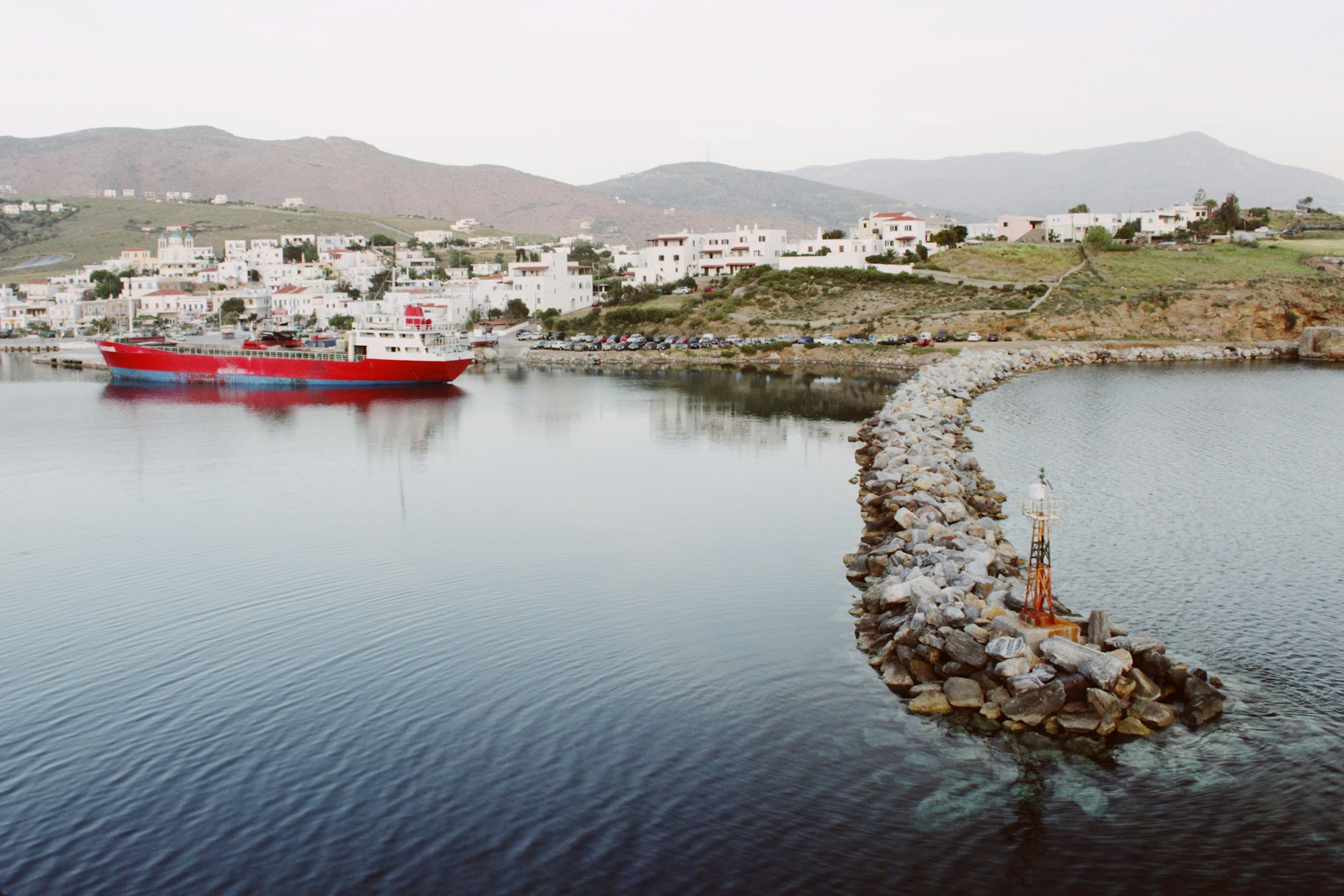
The fast ferries are quicker, but the big slow boats have open decks and stop at Paros on the way.
Arrive at Piraeus early: the gates are far apart and the port is busy in summer.

Arrive before nine, when the traders are setting out fruit and the counter bars serve breakfast to the people who work there.
Later in the day, the markets of Santa Caterina and Sant Antoni are calmer and just as good.
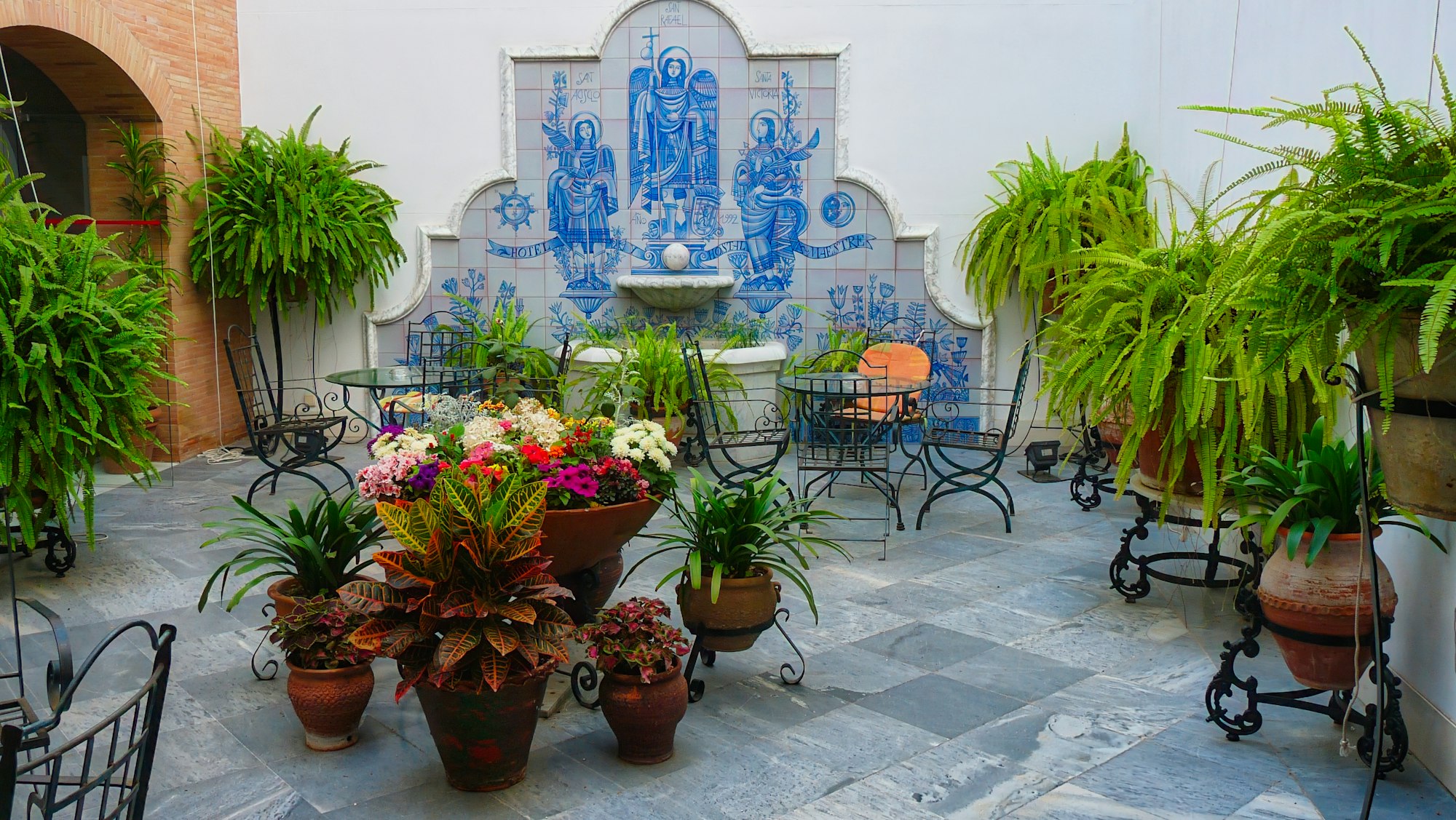
Seville’s old houses are built around a patio, often with a fountain, so the rooms stay cool behind thick walls.
Several have become small hotels; ask for a room facing the patio rather than the street.
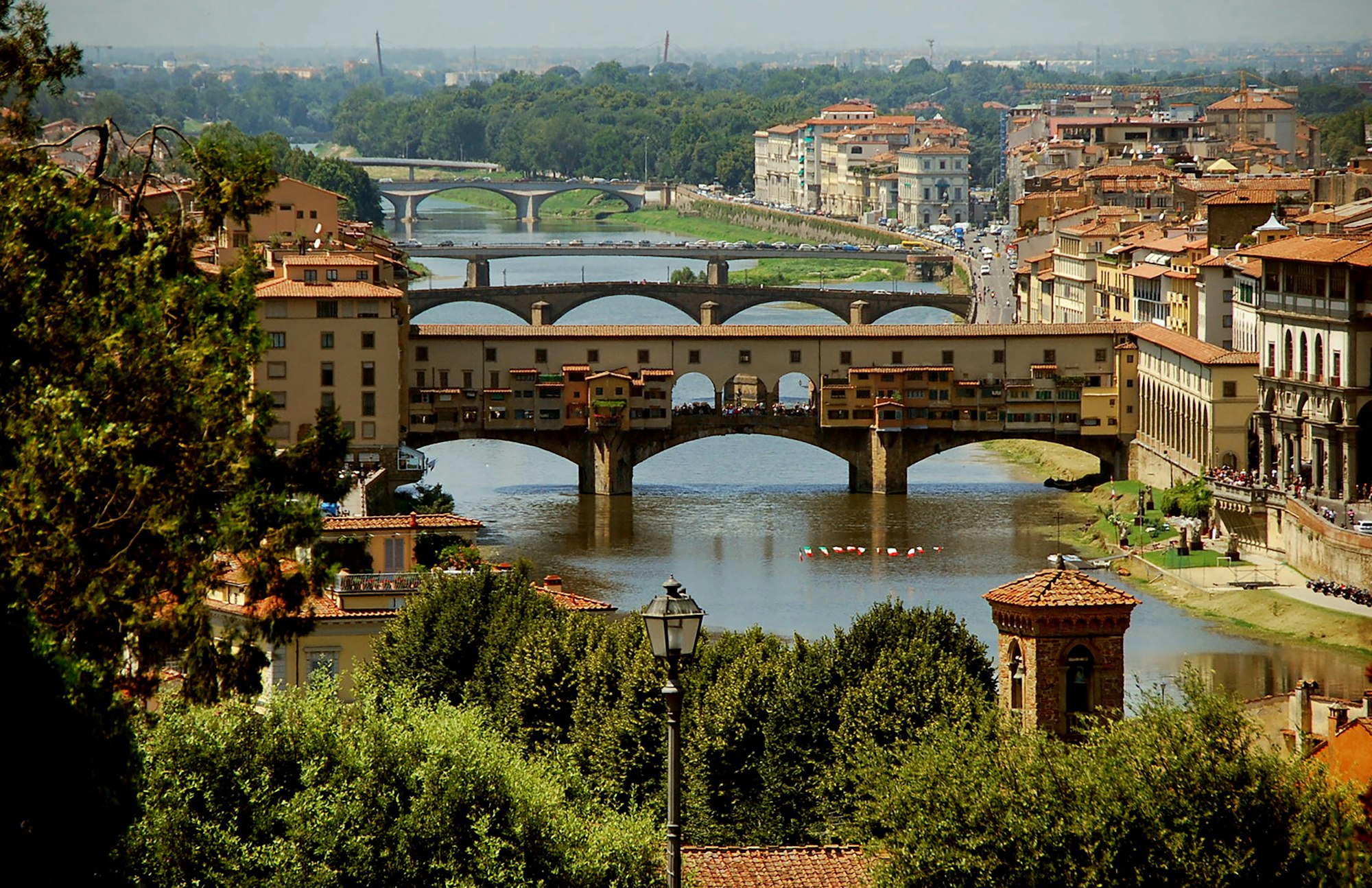
Florence’s centre is small and busy. Its hills are quiet. Walk up to San Miniato al Monte for vespers and the view over the domes.
On another day take the bus to Fiesole and walk back down through olive groves and villa gardens.
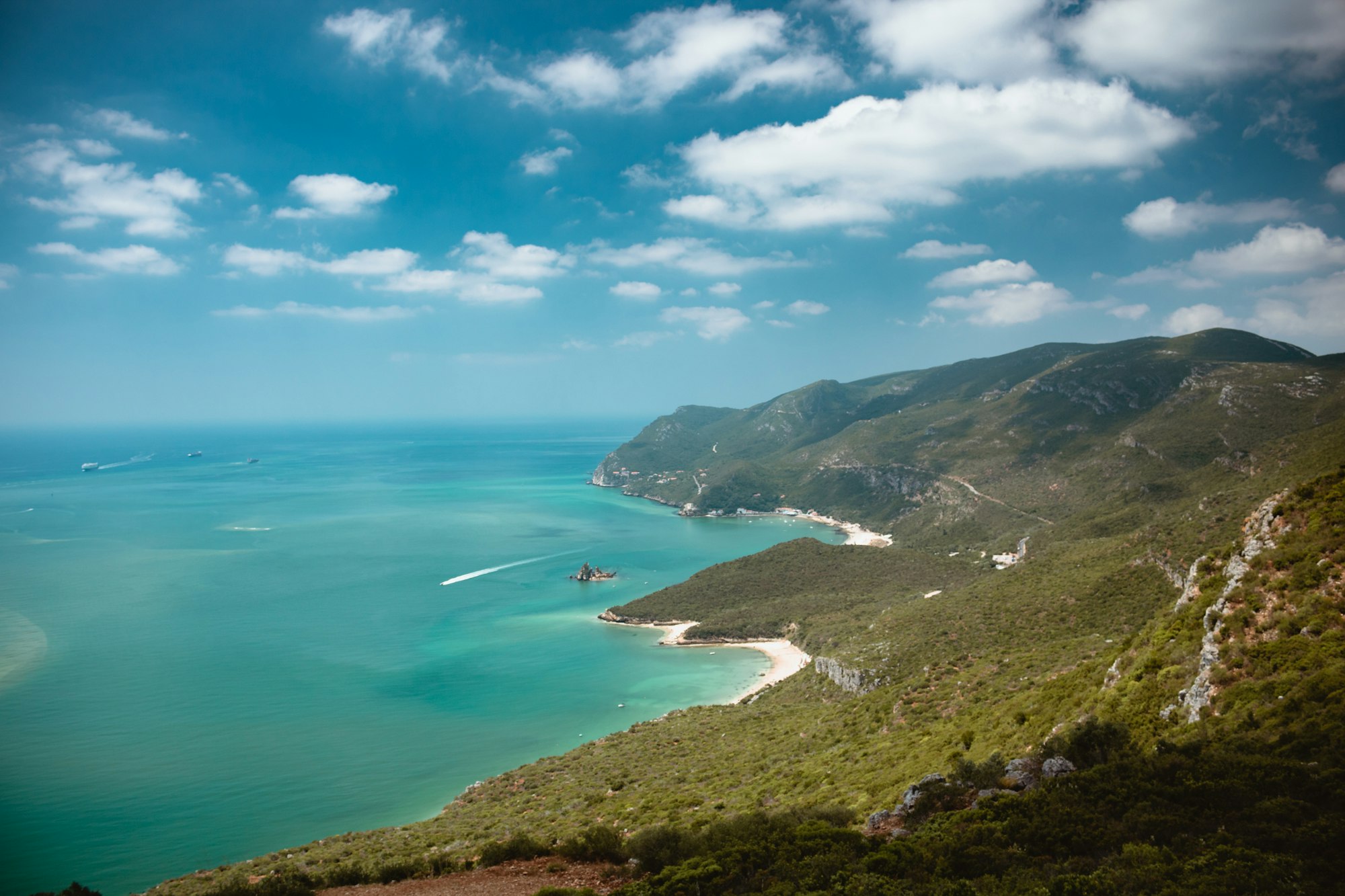
Rent a car in Lisbon and head south across the bridge. The Arrábida hills drop to turquoise coves, and beyond the ferry at Setúbal the coast turns wild.
Take a week; the villages of the Alentejo coast are made for slow days.
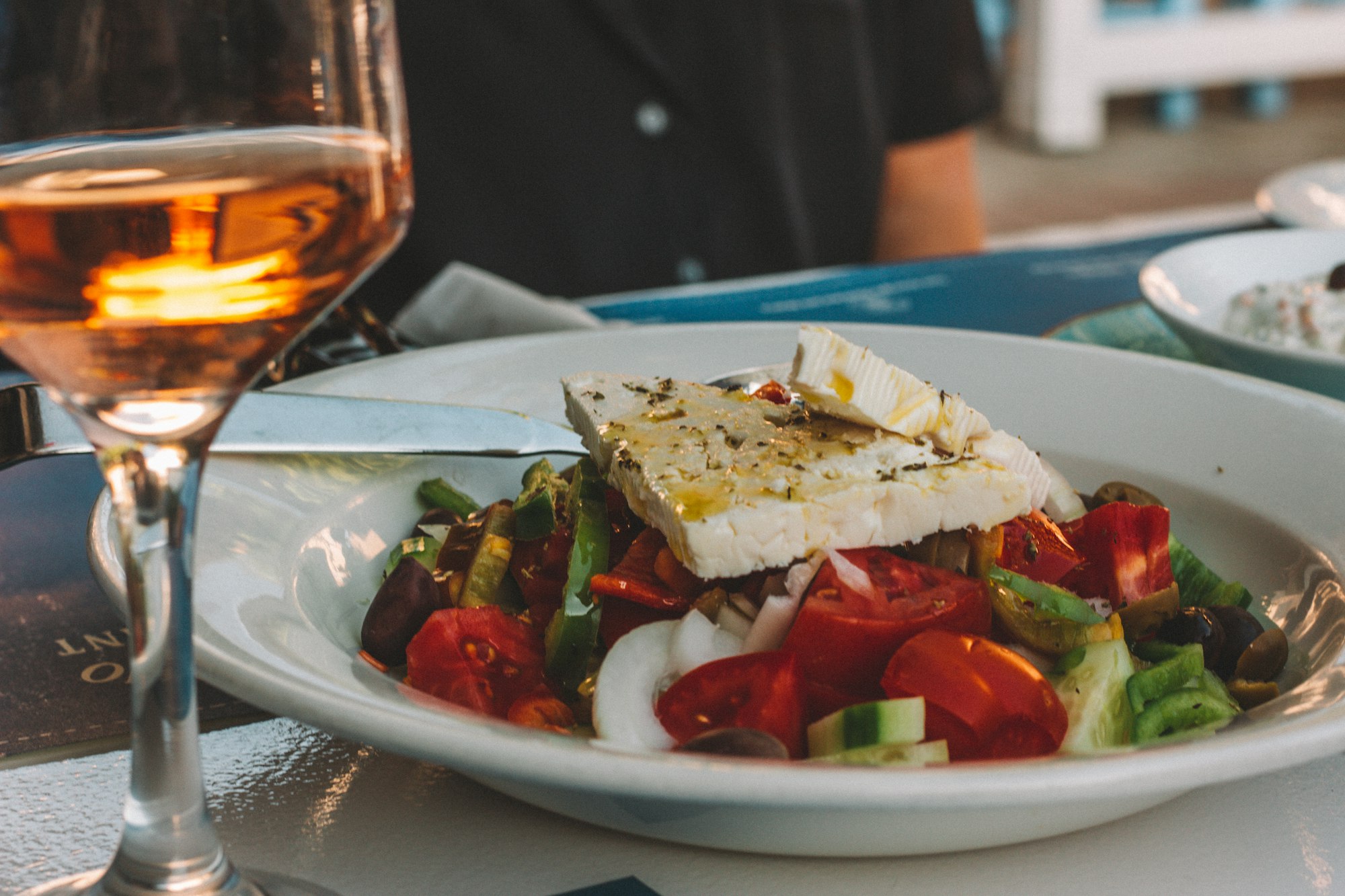
Naxos grows much of what it eats. In the mountain villages of Halki and Apiranthos the tavernas cook with the island’s potatoes, cheese and wild greens.
Ask for what is cooking that day rather than reading the menu.
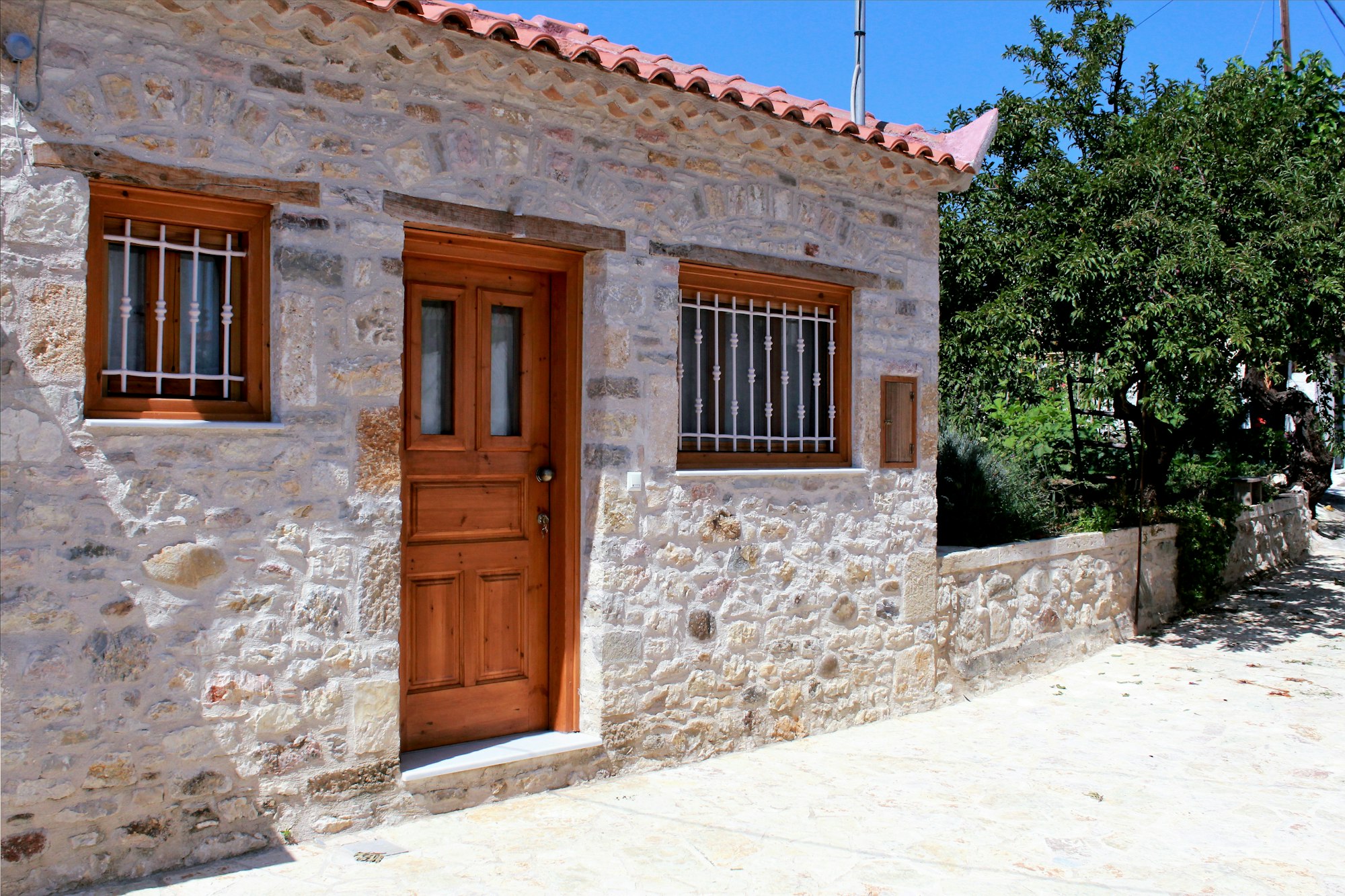
Away from the port, Naxos’s villages have old stone houses let by the week, cool inside and shaded outside.
Rent a car or a scooter: the island is bigger than it looks, and the best beaches are on the west coast.